
AZO-Free Dyes & REACH Compliance: What EU Jute Buyers Need to Know
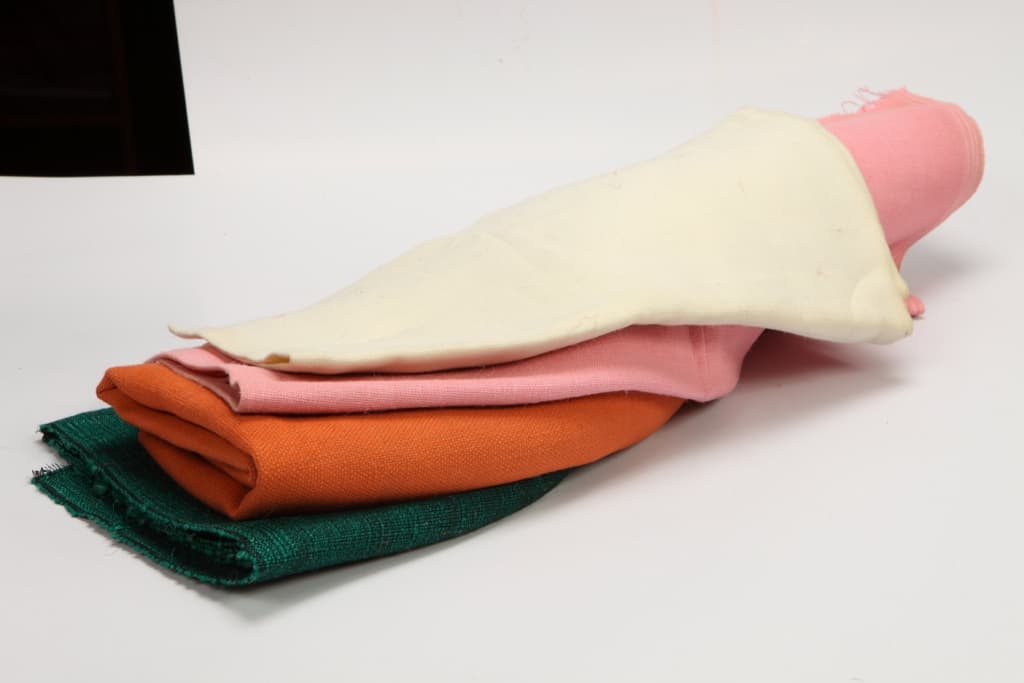
If you import jute products into the EU or UK, dye and chemical compliance is not optional — it's a condition of getting goods through customs and onto shelves. This guide is a plain-English overview for buyers sourcing eco-friendly jute products from Bangladesh, covering what AZO-free means, where REACH fits in, which products are most affected, and what to ask a supplier.
What does "AZO-free" mean?
Some azo dyes can, under certain conditions, release a group of regulated aromatic amines. EU and UK rules restrict these on consumer textiles and articles that come into contact with skin. AZO-free dyes simply avoid that chemistry. For a natural product like jute, AZO-free colourants keep the "eco-friendly" promise intact — which matters because buyers who choose jute are usually choosing it for its sustainability credentials.
This is most relevant to dyed and printed goods: coloured jute bags, fashion accessories, footwear and home textiles, as well as dyed jute yarn (JDP-048).
Where REACH fits in
REACH is the EU regulation governing chemicals in products placed on the European market (the UK runs an equivalent, "UK REACH"). For dyed jute goods it mainly concerns restricted substances in colourants and finishes. Buyers at fashion and home-décor retailers routinely require written confirmation that goods meet these limits before they'll onboard a supplier.
Other standards buyers ask about
Depending on the product and the retailer, you may also be asked about:
- OEKO-TEX® Standard 100 — tests textiles for harmful substances (a premium signal if a buyer requires it).
- Certificates of origin and standard export documentation.
- Third-party lab test reports for specific restricted substances.
We can accommodate buyer-specific testing and add the resulting documents to your file — see our certifications & compliance page.
Why compliance matters to your business
- Customs and retail acceptance. Non-compliant goods can be detained, rejected or recalled.
- Brand risk. Major retailers audit their supply chains for restricted substances; a failure can end a relationship.
- Faster onboarding. Suppliers who already work to these standards clear vendor approval more quickly.
Which jute products are most affected?
Anything coloured or skin-contacting deserves the most attention:
- Dyed and printed bags — see our custom printed jute bags guide for how colour is applied.
- Fashion accessories and footwear (JDP-042) — worn against the skin.
- Home textiles — table runners, cushion covers and place mats.
Undyed, natural jute carries the lowest chemical risk, which is one reason natural-tone ranges remain popular.
Questions to ask your jute manufacturer
- Do you use AZO-free, colourfast dyes as standard?
- Can you provide dye/material compliance statements and, where needed, third-party test reports?
- What documentation ships with each order (certificate of origin, packing list, compliance declarations)?
- Can you meet buyer-specific testing or certification requirements?
If a supplier hesitates on these, treat it as a red flag.
How Farook Jute Mills handles compliance
We use AZO-free, colourfast dyes suitable for EU and US import requirements across our dyed and printed ranges, ship FOB Chittagong with full export documentation, and can add compliance statements and third-party reports to your order on request. New to the category? Start with our complete guide to sourcing jute bags from Bangladesh.
Sourcing for an EU or UK programme? Request a quote and tell us your market — we'll confirm exactly what we can supply, or explore the full catalogue first.
Frequently asked questions
What does AZO-free mean for jute products?
AZO-free means the dyes avoid azo chemistry that can release regulated aromatic amines restricted by EU and UK rules on skin-contact textiles. It keeps coloured jute goods compliant and genuinely eco-friendly.
Do my jute products need to be REACH compliant?
If you sell into the EU (or UK, via UK REACH), dyed and finished jute goods must meet restricted-substance limits. Most fashion and home-décor retailers require written confirmation before onboarding a supplier.
Can you provide test reports and compliance documentation?
Yes. We use AZO-free dyes as standard and can provide dye/material compliance statements and arrange third-party test reports, plus the usual export documentation, on request.
Is natural undyed jute lower risk than dyed jute?
Generally yes — undyed natural jute carries the lowest chemical risk because no colourants are applied. Dyed and printed goods are where AZO-free dyes and REACH compliance matter most.
Sourcing jute products?
Get a custom quote in 24 hours — pricing, samples and lead times.