
Bangladesh vs India: Which Is the Better Source for Jute Products?
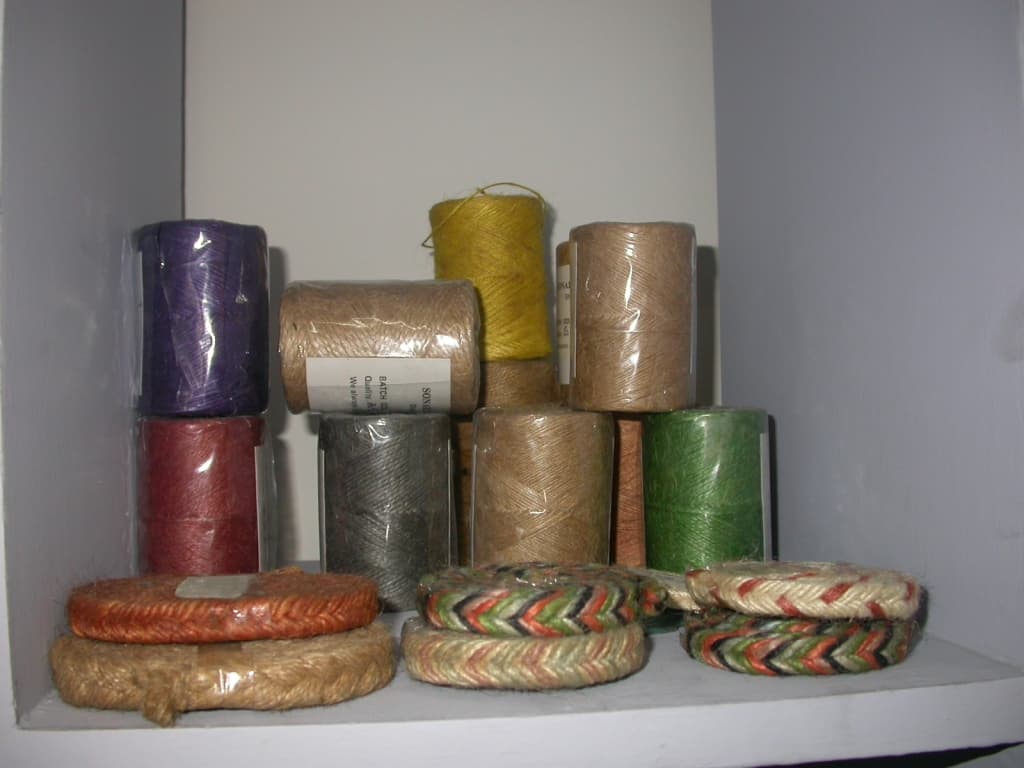
India and Bangladesh together account for the overwhelming majority of the world's jute and jute-diversified goods. If you are sourcing at scale, one of the first decisions is which country to buy from. This guide compares the two honestly — across fibre quality, product range, price, MOQ, lead times and compliance. (As a Bangladesh manufacturer we have a point of view, but the trade-offs below are real.)
Two jute superpowers
India has the larger domestic jute industry and a big home market, much of it geared toward traditional sacking and bulk packaging. Bangladesh grows the highest-grade raw fibre and, over the last two decades, has focused heavily on jute-diversified products — bags, rugs, home textiles, fashion and décor — for export. For a buyer of finished, diversified goods rather than raw sacking, that focus matters.
Raw material and quality
Bangladesh's "golden fibre" belt produces fibre prized for its colour, lustre and strength. Because the fibre is on the doorstep, Bangladeshi manufacturers control quality from raw material through to the finished product. India's industry is large and capable, but a meaningful share of its capacity serves domestic and industrial demand.
Product range and diversification
This is where Bangladesh stands out for diversified buyers. Our product catalogue spans fifteen categories — from jute bags and rugs & carpets to baskets & household goods, home textiles, footwear and fashion accessories. The Jute Diversification Promotion Centre (JDPC) actively supports this product development.
Pricing
Both origins are cost-competitive versus the rest of the world. Bangladesh's proximity to the fibre and lower production costs generally make it very strong on price for diversified goods — especially when you buy direct from the manufacturer rather than through a trading house.
MOQ and flexibility
Diversified Bangladeshi factories tend to be flexible on minimum order quantity, and trial orders are common — useful for retail buyers testing a range before committing to containers. Our guide to sourcing jute bags covers typical MOQs in more detail.
Lead times and logistics
Most Bangladeshi exporters quote FOB Chittagong; understanding that term is essential for planning landed cost and timelines, which we break down in FOB Chittagong: a guide for importers. Production typically runs 4–6 weeks after sample approval.
Compliance
For EU/UK programmes the deciding factor is often documentation. Confirm that any supplier — in either country — uses AZO-free dyes and can provide test reports; our take is in AZO-Free Dyes & REACH Compliance and on our certifications page.
So, which should you choose?
| Factor | Bangladesh | India |
|---|---|---|
| Raw fibre quality | Highest-grade, at source | Strong, very large supply |
| Diversified product range | Very broad (JDP focus) | Broad, plus heavy sacking/industrial |
| Price on finished goods | Very competitive | Competitive |
| MOQ flexibility | High; trial orders common | Varies by factory |
| Export terms | FOB Chittagong | FOB various ports |
For raw sacking and bulk industrial jute, both countries work well. For diversified finished goods — the bags, rugs, décor and fashion lines retailers actually want — Bangladesh's specialisation usually wins.
Sourcing diversified jute products? Request a quote and we'll reply within 24 hours, or browse the full catalogue first.
Frequently asked questions
Is Bangladesh or India cheaper for jute products?
Both are cost-competitive globally. For diversified finished goods, Bangladesh is usually very strong on price — especially when you buy direct from a manufacturer rather than through a trading house.
Which country has better jute quality?
Bangladesh's golden-fibre belt produces some of the highest-grade raw jute, and diversified Bangladeshi manufacturers control quality from fibre through to the finished product.
What does FOB Chittagong mean?
It means the manufacturer delivers the goods, cleared for export, onto the vessel at Chittagong port; freight, insurance and import duties from there are the buyer's responsibility.
Can I order a trial quantity before a full container?
Yes — diversified Bangladeshi factories are typically flexible on MOQ, and trial orders are common, which suits retailers testing a range.
Sourcing jute products?
Get a custom quote in 24 hours — pricing, samples and lead times.