
Jute vs Cotton Tote Bags: Which Should Retailers Choose?
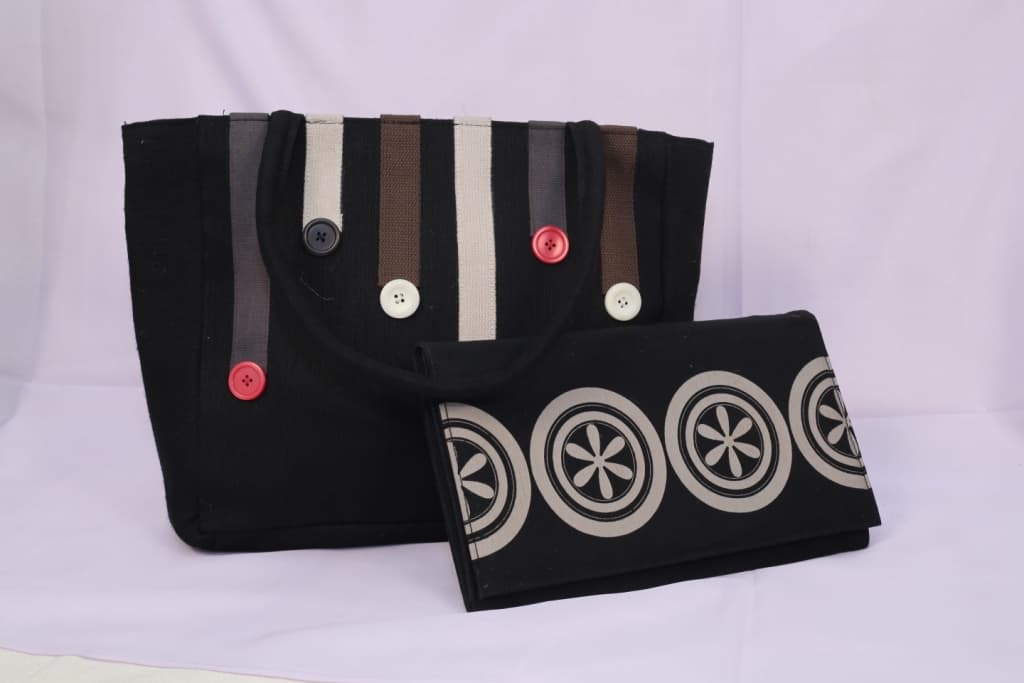
Reusable tote bags are the workhorse of sustainable retail, and two natural materials dominate the shelf: jute and cotton. For buyers, importers and promotional-product distributors deciding what to stock, the jute vs cotton tote bag question comes up constantly. This guide compares the two honestly — on sustainability, durability, cost, print quality, weight and best use case — so you can choose the right reusable bag for your range. (As a Bangladesh jute manufacturer we have a point of view, but the trade-offs below are real, and we make both jute and jute-cotton blends.)
The quick answer
- Jute is stronger, cheaper by the unit, more rigid and has the lowest environmental footprint — ideal for grocery shoppers, gift bags and structured totes that need to stand up and carry weight.
- Cotton (and canvas) is softer, foldable and takes fine, full-colour print beautifully — ideal for fashion totes, book bags and lightweight everyday carriers.
Many retailers stock both, and jute-cotton blends sit neatly in between. The rest of this guide explains why.
Comparing styles for your own range? Browse our jute bags and cotton and canvas bags to compare constructions and customisation options alongside this guide.
Jute vs cotton tote bags at a glance
| Factor | Jute tote | Cotton tote | Cotton canvas tote |
|---|---|---|---|
| Sustainability | Lowest footprint; rain-fed, soil-enriching | Natural but water/pesticide-intensive | Same as cotton, more fibre per bag |
| Biodegradability | Fully biodegradable — months to ~2 years | Biodegradable if 100% cotton; poly-cotton blends are not | 100% cotton canvas biodegrades; poly-canvas does not |
| Strength / load | Very high; holds shape | Good; softer, can stretch | High; dense and abrasion-resistant |
| Printing | Bold screen/block, embroidery | Fine, full-colour, photographic | Best surface for detailed artwork |
| Feel | Natural, textured, premium | Soft, smooth, lightweight | Smooth, firm, substantial |
| Cost | Usually lower | Varies with cotton market | Highest of the three |
| Packability | Structured, heavier | Folds small, light | Semi-structured |
| Best for | Grocery shoppers, gift & structured totes | Fashion totes, book bags, giveaways | Premium print-led retail bags |
Sustainability: jute has the edge
This is the reason most buyers are looking at natural totes in the first place, and it is where jute leads. Jute is a rain-fed crop that grows in about four to six months with little irrigation and no need for pesticides, and it actually enriches the soil it grows in. It is 100% biodegradable and compostable at end of life.
Cotton is also natural and biodegradable, but conventional cotton is famously water- and pesticide-intensive to grow. Per bag, a jute tote typically carries a lower carbon and water footprint than a cotton one — an important point if your customers are choosing reusable bags for genuinely environmental reasons. (More on why buyers are switching in Top 10 Jute Products Trending in European Retail.)
Durability and load
Jute fibre is coarse and exceptionally strong, so a jute tote holds heavy, awkward loads — groceries, books, bottles — without stretching. Its natural stiffness helps the bag hold its shape and stand open, which is why supermarkets favour it for checkout shoppers like the geometric-print shopping bag (JDP-011).
Cotton totes are strong too, but softer and more prone to stretching under heavy loads; they excel as lightweight, everyday carriers rather than heavy-duty shoppers.
Look, feel and printing
Here the roles reverse:
- Cotton / canvas has a smooth, pale surface that takes fine, photographic, full-colour print — the natural choice for detailed brand artwork and fashion graphics.
- Jute has a beautiful natural texture and takes bold screen and block printing, embroidery and woven labels superbly, as on the floral embroidered tote (JDP-009) and boho flower-print tote (JDP-012). It reads as premium, earthy and tactile rather than crisp and graphic.
If your design is a fine multi-colour photo, lean cotton; if it is a bold logo or you want a natural, high-end feel, lean jute. The full range of decoration options is covered in How to Order Custom Printed Jute Bags.
Cost
For comparable sizes, jute is usually the more cost-effective fibre, particularly when sourced direct from a Bangladeshi manufacturer close to the raw material. Cotton pricing swings with global cotton markets. For high-volume promotional and grocery programmes, jute's unit economics are hard to beat — see our complete guide to sourcing jute bags from Bangladesh for how MOQ and wholesale pricing work.
Weight and packability
Cotton wins on portability: a cotton tote folds down small and light, which suits "keep one in your handbag" everyday bags. Jute is heavier and more structured — a feature for shoppers that stand up on their own, a drawback if you specifically want a foldaway bag. A jute-cotton blend is the popular compromise: a jute body for strength and texture with a cotton or laminated lining for a smoother inside and finish.
Is a jute bag a tote bag?
This trips a lot of buyers up, because "tote bag" describes a shape while "jute" describes a material. A tote is simply an open-top bag with two parallel handles — it can be made from cotton, canvas, jute or anything else. So a jute shopper is a tote bag; it is just a tote made from jute rather than from cotton.
When people compare "a jute bag vs a tote bag" they almost always mean a jute tote vs a standard cotton tote — the plain cotton giveaway bag. Against that bag, jute is stiffer and holds its shape, carries far more weight without stretching, and reads as more premium thanks to its visible weave; the cotton tote is lighter, folds away and takes fine full-colour print.
Jute vs canvas tote bags
Canvas is a construction, not a fibre — a plain, tightly woven heavy cloth, usually cotton but sometimes jute (we weave jute canvas (JDP-052) at 12 oz/yd² and above). Comparing a jute tote with a cotton-canvas tote:
- Weight and stiffness — cotton canvas is smooth and dense but still flexible; jute is stiffer and more structured, so a jute bag stands up on its own.
- Strength — both are strong. Cotton canvas resists abrasion better; jute resists stretching under heavy loads better.
- Print — canvas is the better surface for detailed, full-colour artwork. Jute takes bold screen and block prints plus embroidery, with the weave showing through.
- Sustainability — jute wins on water and pesticide use, as covered above.
- Cost — jute is typically the cheaper of the two at comparable size and volume.
A useful rule: choose canvas when the artwork is the hero, and jute when the material itself is the hero.
So which should you stock?
For grocery shoppers, gift bags, promotional totes and anything that needs to carry weight and look premium, jute is the stronger, cheaper and more sustainable choice. For lightweight fashion totes and fine full-colour print, cotton has the edge — and a jute-cotton blend captures much of the best of both. Plenty of retailers carry a jute hero shopper alongside a cotton fashion tote.
Whichever you choose, everything can be tailored to your market — size, colour, print and full private-label branding — and dyed goods for the EU/UK use AZO-free, REACH-compliant colourants, as explained in AZO-Free Dyes & REACH Compliance and on our certifications page.
Building a reusable-bag range? Browse our jute tote bag range or request a quote with your styles and quantities — our export team replies within 24 hours with pricing, samples and lead times. Comparing other materials too? See our jute vs seagrass rug guide.
Frequently asked questions
Is jute or cotton better for tote bags?
It depends on the use case. Jute is stronger, cheaper and has a lower environmental footprint, making it the better choice for retail packaging, shopping bags and promotional bags ordered at volume. Cotton is softer and prints in finer detail, making it better suited to fashion-forward or apparel-adjacent totes.
Are jute tote bags more eco-friendly than cotton?
Generally yes. Jute is a rain-fed crop that needs little irrigation or pesticide and enriches its soil, so per bag it usually carries a lower carbon and water footprint than conventional cotton. Both are natural and biodegradable, but jute has the edge on overall environmental impact.
Which is stronger, a jute or cotton tote bag?
Jute. Its coarse, strong fibre carries heavy, awkward loads without stretching and holds the bag's shape, which is why it suits grocery shoppers. Cotton totes are strong but softer and better as lightweight everyday carriers.
Which takes printing better, jute or cotton?
Cotton and canvas take fine, full-colour, photographic print best. Jute takes bold screen and block printing, embroidery and woven labels superbly and reads as premium and textured. Choose by your artwork — fine photo prints lean cotton, bold logos and a natural look lean jute.
Is a jute bag a tote bag?
Yes — "tote bag" describes the shape (an open-top bag with two parallel handles), while "jute" describes the material, so a jute shopper is a tote made from jute. When buyers compare a jute bag with a tote bag they usually mean a jute tote versus a standard cotton tote: the jute one is stiffer, holds its shape and carries more weight, while the cotton one is lighter and folds away.
Jute or canvas — which is better for tote bags?
Canvas is a dense plain weave (usually cotton) rather than a fibre, and it is the better surface for detailed full-colour print. Jute is stiffer, cheaper, more sustainable and gives a natural textured look. Choose canvas when the artwork is the hero and jute when the material is the hero. We also weave jute canvas at 12 oz/yd² and above if you want both.
Can I order jute-cotton blend tote bags?
Yes. A jute-cotton blend — a jute body with a cotton or laminated lining — is a popular compromise that combines jute's strength and texture with a smoother finish. We make jute, blend and lined totes to your specification.
Sourcing jute products?
Get a custom quote in 24 hours — pricing, samples and lead times.